Speakers
Meet our distinguished speakers and experts
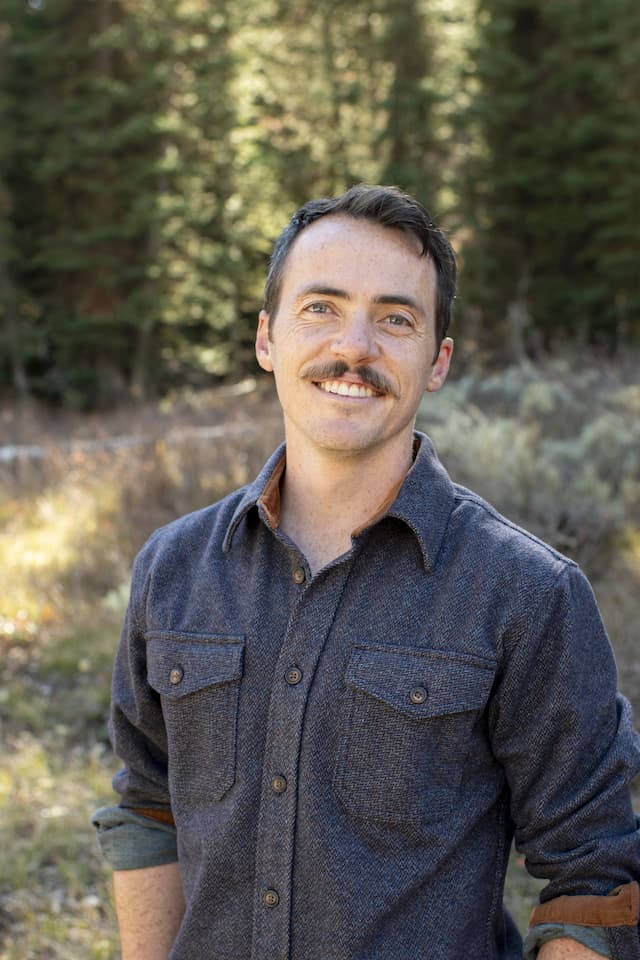
Prof. Taylor Sparks
University of Utah
Dr. Sparks is an Professor of Materials Science and Engineering at the University of Utah. He holds a BS in MSE from the UofU, MS in Materials from UCSB, and PhD in Applied Physics from Harvard University. He was a Royal Society Wolfson Visiting Fellow at the University of Liverpool and a recipient of the NSF CAREER Award and a speaker for TEDxSaltLakeCity. He is active in TMS, MRS, and ACERS societies. He is currently the Editor-in-Chief for the Integrating Materials and Manufacturing Innovation and the Director of Graduate Affairs for the John and Marcia Price College of Engineering. When he’s not in the lab you can find him running his podcast “Materialism,” creating materials educational content for his YouTube channel, or canyoneering with his 4 kids in southern Utah.
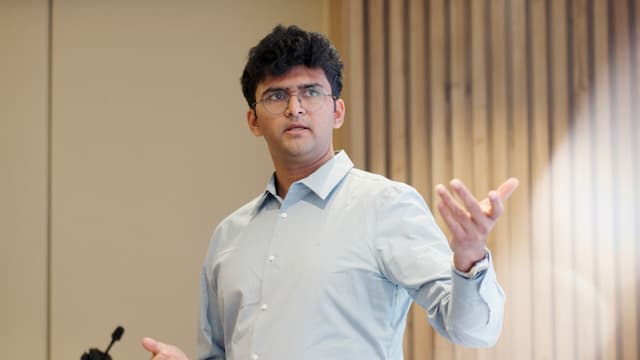
Surya Narayanan Hari
California Institute of Technology
Surya Narayanan Hari is a fourth year PhD student in the biology program at the California Institute of Technology, where he uses AI as model systems to understand the brain. Previously, Surya completed his undergraduate and masters education at Stanford University where he studied Economics, Mathematics and Operations Research. Previously, Surya performed stand up comedy to cancer patients from economically underprivileged backgrounds waiting in line to see a doctor in India, which inspired him to do cancer research at the Dana Farber Cancer Institute between his time at Stanford and Caltech. At Caltech, Surya received the Chen Graduate Innovators award, given to fund radical innovative ideas. Surya is currently on the job market for internships and full time opportunities!

Raonic Bogdan
ETH Zurich
Bogdan is a PhD student at ETH Zurich. He holds a Bachelor’s degree in Physics and Mathematics from École Polytechnique and a Master’s in Applied Mathematics from ETH. His research focuses on the intersection of deep learning and scientific computing, including neural operators, foundation models for physics and generative approaches to turbulence modeling.
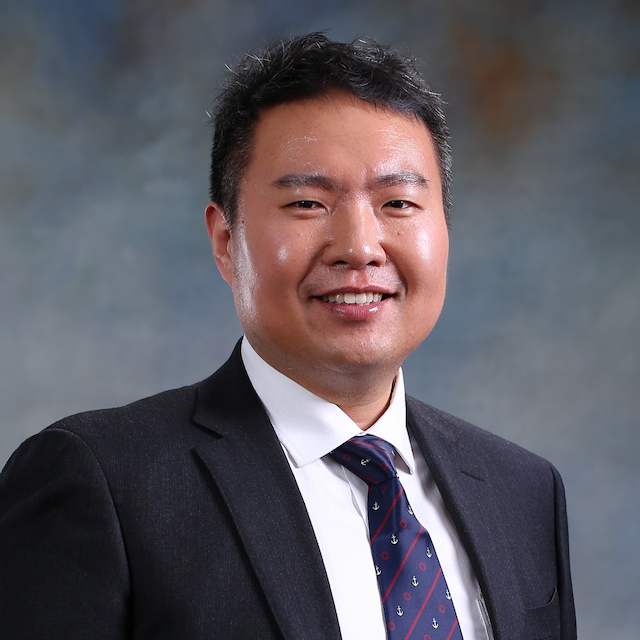
Prof. Yu Yan
University of Science and Technology Beijing
Prof. Yu Yan graduated from University of Leeds, UK in 2006 with Ph.D. He was appointed as the Director of UNDP Corrosion and Protection Center in USTB in 2020, which was funded by United Nations in 1985. He also acts as the Editor-in-Chief for journal Anti-corrosion Methods and Materials. He was elected as a Fellow in Institute of Physics, UK for my contribution in corrosion in 2021. His research focuses on corrosion, tribology and materials genome engineering. He has published over 200 SCI indexed papers and 5 books. He is also the PI for 7 NSFC grants.
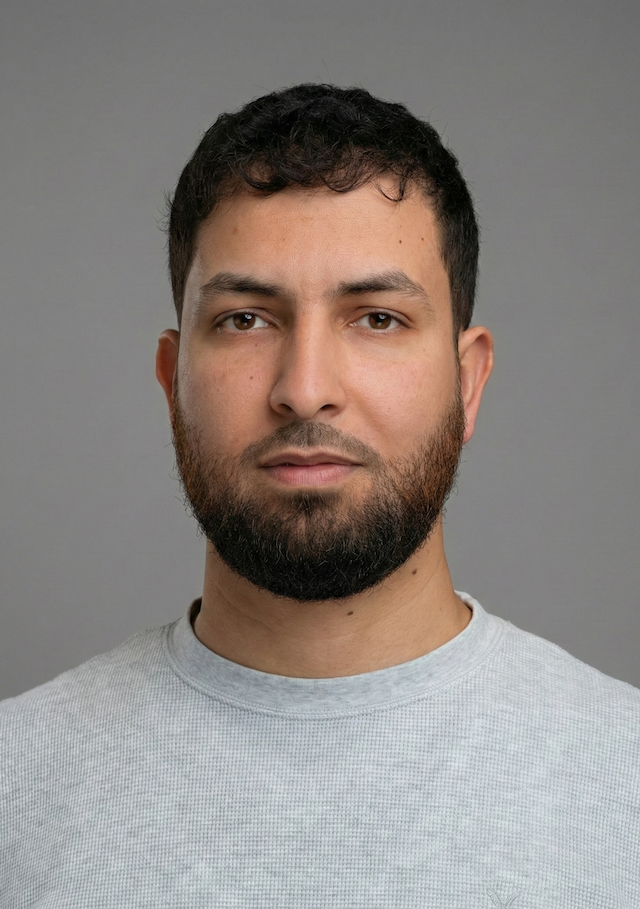
Dr. Amine Haboub
Qatar Environment and Energy Research Institute (QEERI), HBKU
Dr. Amine Haboub is a Post Doc at the Qatar Environment and Energy Research Institute (QEERI), where he specializes in the intersection of Artificial Intelligence and Materials Science. His research focuses on inverse design, physics-informed machine learning, and advanced time-series analysis. His work has appeared in top-tier journals, including the IEEE Transactions on Artificial Intelligence and ICASSP. With over four years of industry experience as a Software Engineer, he bridges theoretical deep learning and practical engineering applications, currently leading projects on AI-driven corrosion prediction and bio-inspired generative design. He holds a PhD in Computer Science and Engineering from Hamad Bin Khalifa University.
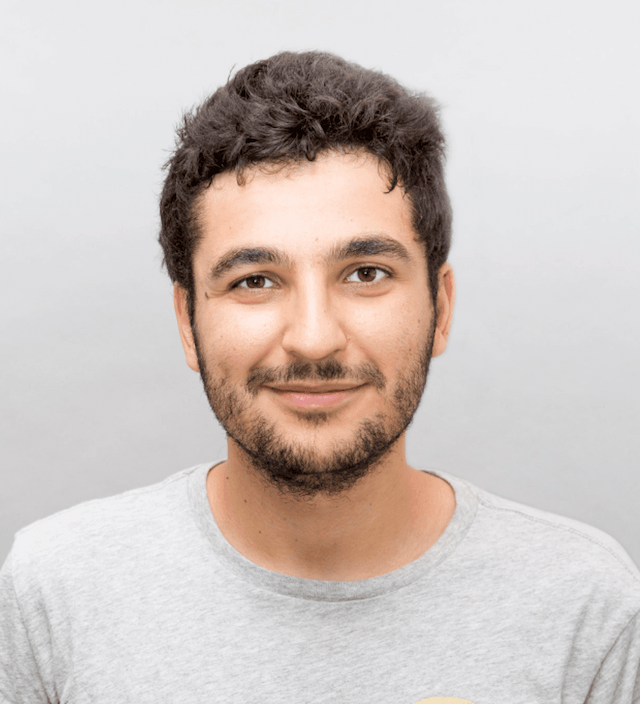
Prof. Salem Lahlou
Mohamed bin Zayed University of Artificial Intelligence (MBZUAI)
Salem Lahlou is an Assistant Professor at the Mohamed bin Zayed University of Artificial Intelligence (MBZUAI). His research focuses on GFlowNets, LLM reasoning, and uncertainty estimation, aiming to build more capable and reliable AI for science. He is a core contributor to the GFlowNet framework and creator of the torchgfn library. Salem obtained his PhD from Mila and Université de Montréal under Yoshua Bengio, with prior experience at Google Brain, TII, and IBM Research.
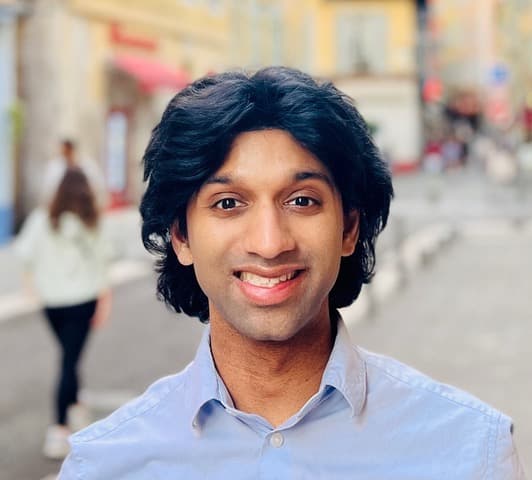
Prof. Pranam Chatterjee
University of Pennsylvania
Pranam Chatterjee is an Assistant Professor of Bioengineering and Computer and Information Science and the Africk-Lesley Distinguished Scholar of Innovation at the University of Pennsylvania. His Programmable Biology Group develops new discrete generative models for the de novo design of biologics, spanning from algorithmic theory to pre-clinical validation in vitro and in vivo. The lab specifically develops therapeutics for rare pediatric diseases, infertility, and substance use disorders, as well as molecules for environmental bioremediation. Having earned his SB, SM, and PhD from MIT, Professor Chatterjee has received the MIRA Award, Hartwell Individual Biomedical Research Award, and multiple NIH and foundation grants for his work. He has also co-founded Gameto, Inc., UbiquiTx, Inc., AtomBioworks, Inc., and Recognition Bio, Inc., which translates his research into fertility-related solutions, RNA medicines, and cancer therapeutics, respectively.
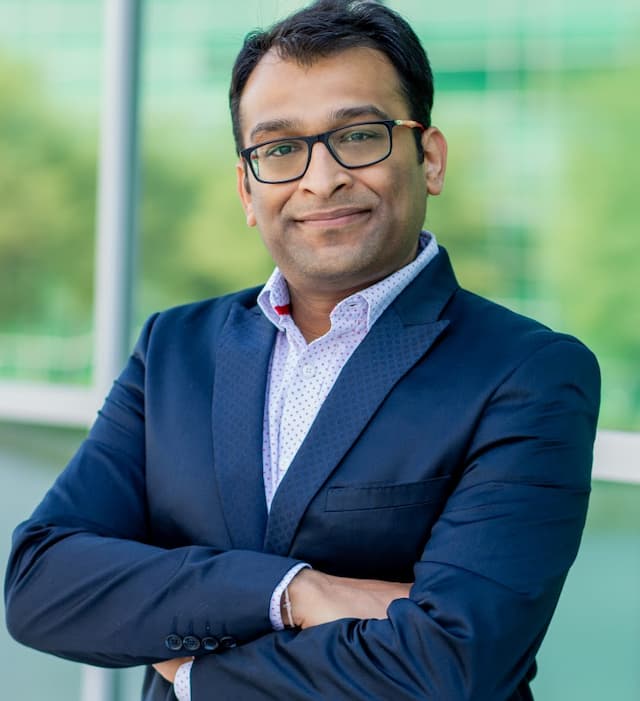
Dr. Raghvendra Mall
Qatar Computing Research Institute (QCRI), HBKU
Dr. Mall’s career has spanned positions at prestigious institutions such as TII, Caltech, St. Jude Children's Research Hospital, QCRI, and KU Leuven. Dr. Mall is a senior IEEE member and was awarded with “Top 30 IEEE Early Career Professional” in 2024. Dr. Mall has made significant contributions to the field with 110+ publications including high-impact journals like Cell, Nature Medicine, Nature, Science Immunology and Nucleic Acids Research with a record of over 5,000 citations. His work has been pivotal in computational immunology, particularly, in understanding the role of PANoptosis in inflammatory diseases, and multi-omics driven analysis of cancer.
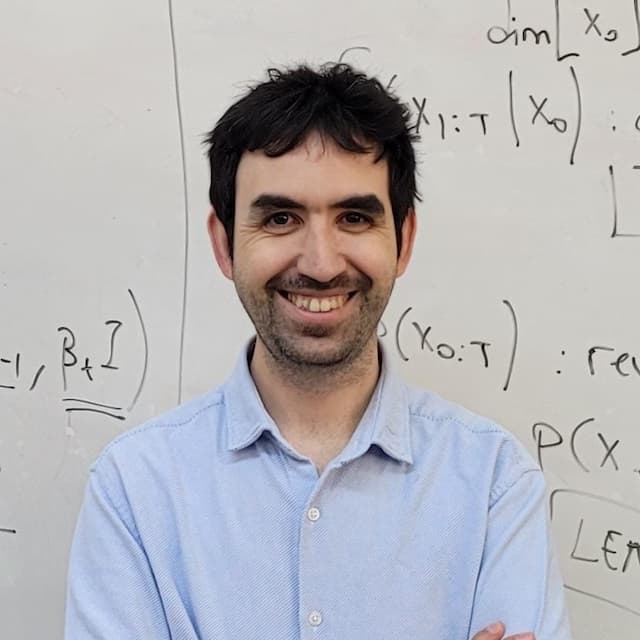
Dr. Gokberk Cinbis
Middle East Technical University (METU), Turkey
Ramazan Gökberk Cinbiş is an Associate Professor in the Department of Computer Engineering at Middle East Technical University (METU). He received his BSc from Bilkent University in 2008, an M.A. from Boston University in 2010, and a PhD from the Université de Grenoble in 2014, following his doctoral research in the LEAR (now THOTH) team at INRIA. His research focuses on data-efficient learning at the intersection of machine learning, computer vision, and natural language modeling. His interests span meta-learning, zero/weakly/few-shot learning, and generative models, with applications to bioinformatics, earth sciences, and robotics.
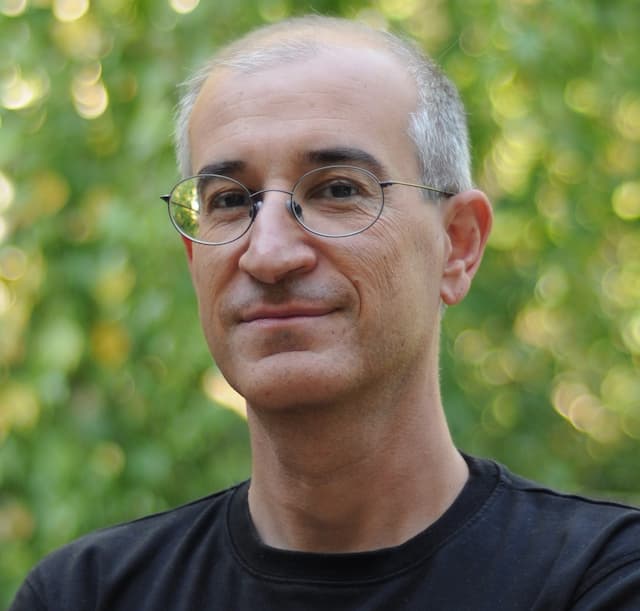
Prof. Alptekin Temizel
Middle East Technical University (METU), Turkey
Alptekin Temizel is a Professor at the Graduate School of Informatics at the Middle East Technical University (METU), Turkey. He earned his Ph.D. from the Center for Vision, Speech and Signal Processing (CVSSP) at the University of Surrey, UK, in 2006. He is the Principal Investigator of the Deep Learning and Computer Vision Research Lab and serves as an NVIDIA Deep Learning Institute Certified Instructor and University Ambassador. From 2016 to 2017, he was on sabbatical at the University of Birmingham, UK. He also collaborates with various companies on the design and deployment of computer vision and AI systems. His research focuses on computer vision, machine learning, deep learning, and GPU computing.
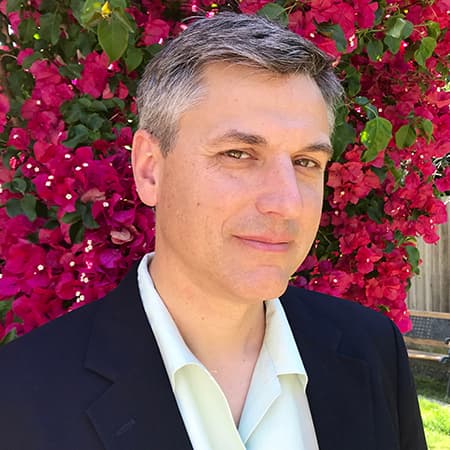
Mr. Addison Snell
Intersect360 Research
Addison Snell is a veteran of the High Performance Computing industry and the co-founder and CEO of Intersect360 Research, delivering data and insights covering the HPC-AI market and coordinating the HPC-AI Leadership Organization (HALO). Addison is a frequent keynote speaker and panel moderator at industry events, has testified before the U.S.-China Economic & Security Review Commission Congressional Subcommittee, and was named one of 2010’s “People to Watch” by HPCwire. Addison is a competent bridge player, an excellent Scrabble player, and a puzzle and game enthusiast, particularly word puzzles. In 2022 he achieved a life “bucket list” goal of constructing crosswords for the New York Times
Dr. Nour Makke
Qatar Computing Research Institute (QCRI), HBKU
Dr. Nour Makke is a Post Doc at Qatar Computing Research Institute (QCRI), HBKU and is currently focused on the research and development of interpretable AI solutions for the physical sciences. Her prior experience includes active involvement in high-energy physics experiments conducted at CERN. Dr. Nour completed her PhD at the University of Paris-Sud (now Paris-Saclay) in France.